Furnace Installation in Austin, TX
Furnace sizing, replacement, duct checks, and installation across Austin.
Changing the air filter, checking the breaker, and setting the thermostat higher are sensible first steps when a furnace stops keeping up. A clogged filter can restrict airflow, and a tripped breaker can stop the blower or ignition controls. Those checks have a limit when the furnace cabinet, heat exchanger, burner assembly, or vent pipe has reached the end of its usable life.
We inspect the existing furnace before recommending replacement, rather than treating every cold room or noisy startup as an installation job. A planned furnace installation can wait long enough for proper sizing and vent measurements, because the new cabinet must match the ductwork and fuel connection. It should not wait when a gas odor, a carbon monoxide alarm, soot around the burner, or a damaged heat exchanger points to a safety concern.
Furnace noise and cold air
Customers often call because the furnace blows cold air, makes a bang at startup, runs but never warms the bedroom, or shuts off after a few minutes. A burning smell from the cabinet may come from dust on the heat surfaces after a long break, while a sharp electrical smell can point to wiring, a control board, or a motor problem. Rattling sheet metal can come from the blower compartment or loose ductwork, and a repeated clicking sound can involve the igniter or gas valve. These symptoms can sound alike from across a room, but each fault involves different parts, labor, and replacement decisions once we inspect the furnace.
Furnace closet survey
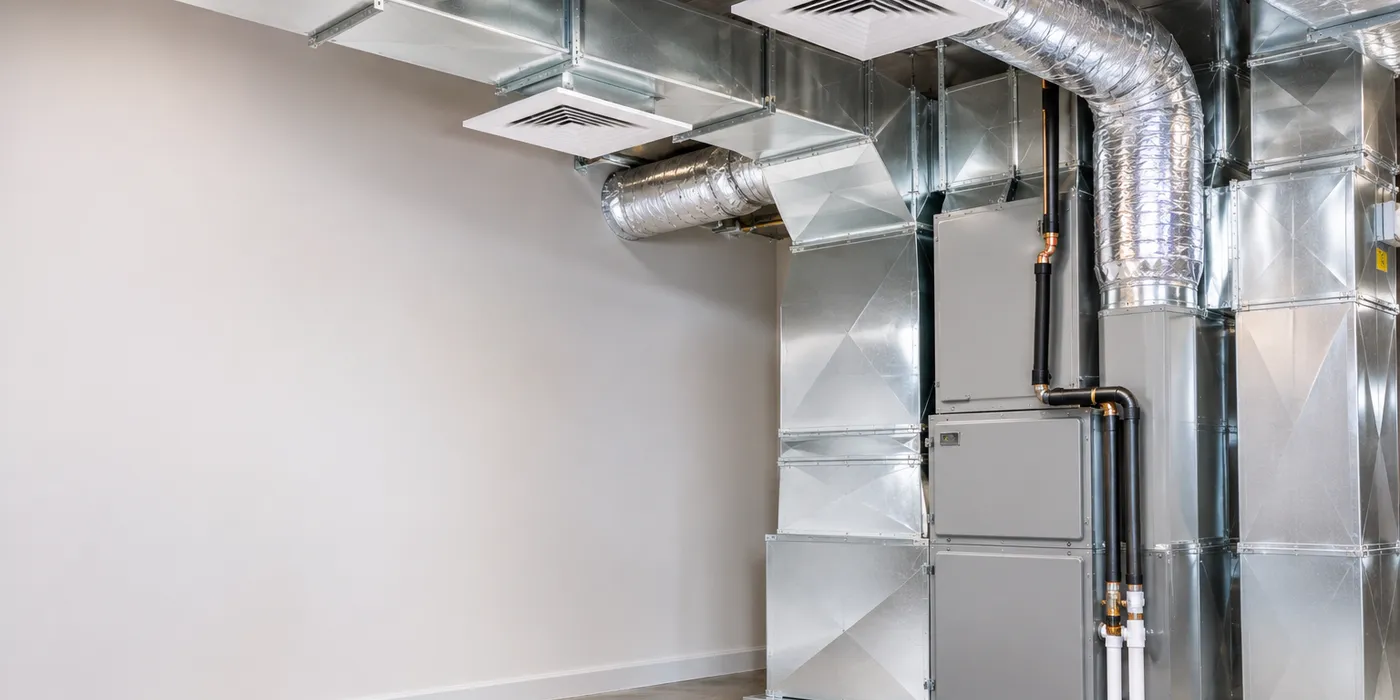
We begin at the furnace cabinet by reading the model plate, checking the manufacture date, and measuring the supply plenum, return opening, closet clearance, vent connection, and electrical circuit. We inspect the filter rack, blower compartment, drain line on high-efficiency equipment, gas shutoff, and flue route before selecting a replacement. A survey commonly takes about 30 to 60 minutes, depending on whether the furnace sits in a closet, attic, garage, or crawlspace.
We also measure airflow and check whether the existing ductwork can handle the output of the replacement furnace without excessive static pressure. On a straightforward changeout, we usually remove the old cabinet and install the new furnace during one work visit when the equipment is available and the venting, gas line, and electrical connection suit the new unit. Duct modifications, a new vent route, electrical changes, or equipment that must be ordered are scheduled as separate work.
Cabinet access and vent route
The age and condition of the existing furnace affect the scope because an older cabinet may use a different vent connection, electrical setup, drain arrangement, or return opening than a current model. A furnace in an open garage gives us a different removal path than a cabinet above a ceiling, behind attic decking, or inside a narrow hallway closet. Rusted flue pipe, a seized gas shutoff, and deteriorated duct transitions can add work before a new furnace can go in.
The vent route also changes the installation scope. We check the material, diameter, slope, joints, and termination path rather than attaching a new furnace to a compromised pipe. If the selected furnace requires a permit or inspection sign-off, we account for that work before installation, and if the proper unit or fitting must be ordered, that affects the schedule and scope.
Model plate and closet access
Before calling, check the model number and serial number on the rating plate inside or outside the furnace cabinet. Let us know which room feels cold, whether the furnace currently runs, and whether it blows warm air, cold air, or no air at all. A photo of the closet, attic hatch, return grille, vent pipe, and electrical disconnect helps us plan access and bring suitable materials. Tell us if the furnace shares a closet with a water heater or if stored items block the cabinet door. Call ATX Air Conditioning Austin at (737) 377-3845 before a suspected heat exchanger or vent problem worsens inside the furnace cabinet.
When we are open
Next: capacitor replacement, or back to the home page.